July 13, 20268 min read
The Hidden Cost of Disposable Cameras at Weddings
The hidden cost of disposable cameras at weddings goes far beyond the box price. Here is the honest math on developing, wasted frames, and the wait.
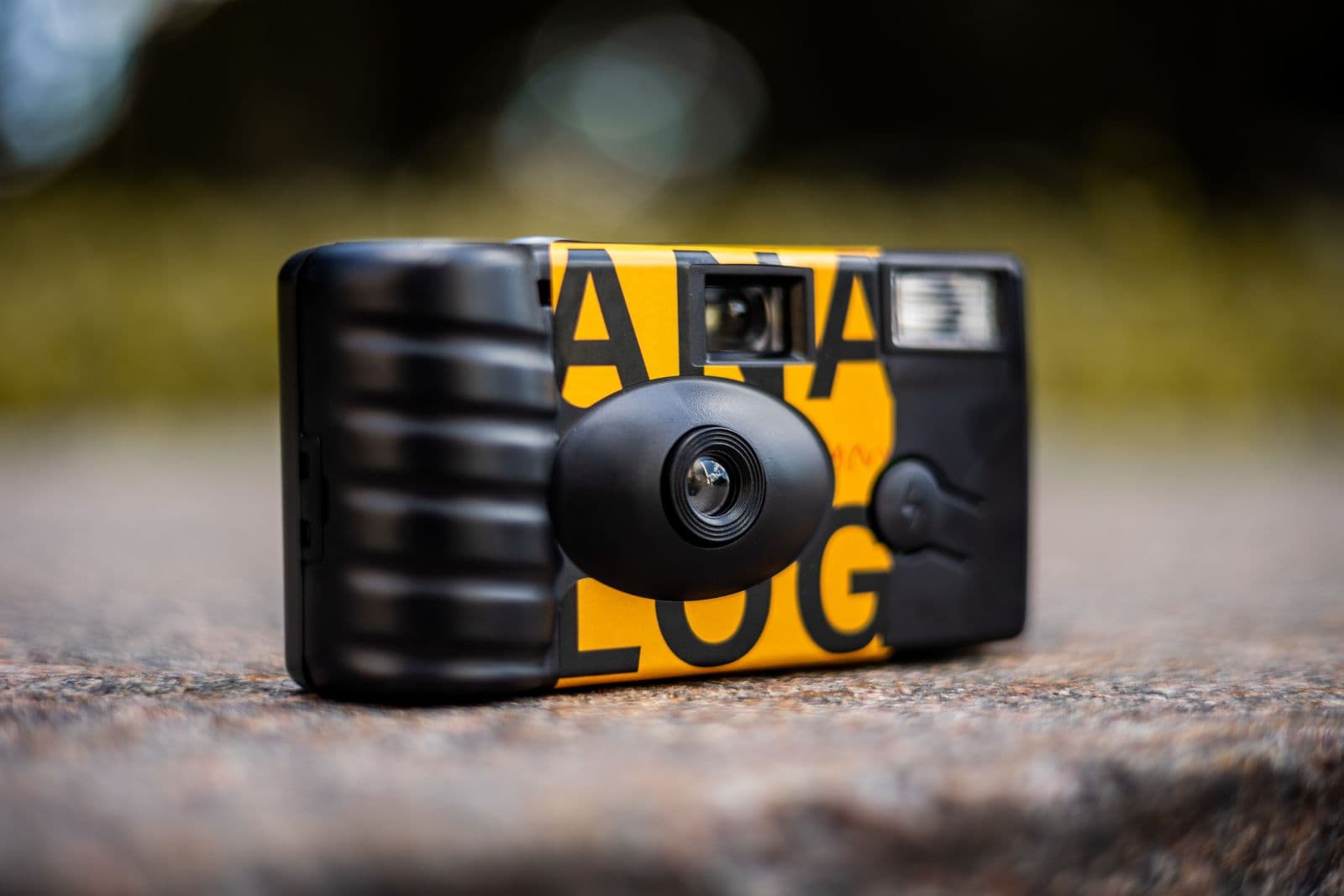
Disposable cameras on the reception tables look charming, and they look cheap. A neat little cardboard box, a plastic wind wheel, a tiny flash, and the lovely promise that your guests will hand you a roll full of surprises. The nostalgia is real, and so is the appeal. For a few dollars a camera it feels like the easiest, most affordable way to let everyone capture the night from their own angle. That is the story on the box, anyway.
The trouble is that the true cost is bigger than the number printed on the packaging, and most of it stays hidden until well after the wedding is over. By the time you notice, the cameras are used, the bill is paid, and the frames that did not come out are already in the recycling. This is not a case against disposable cameras so much as an honest accounting of what they really cost. So before you buy a dozen for the tables, here is the math nobody does out loud.
The Nostalgia Is Real (Let's Be Fair)
Let us start by giving disposable cameras their due, because the love for them is not misplaced. There is a genuine magic in handing a guest a physical camera, watching them wind the film with a thumb, and hearing that stiff little shutter click. Nobody is checking a screen, nobody is retaking their good angle five times, and nobody knows what they caught until weeks later. That surprise, the envelope of prints that arrives long after the honeymoon, is a joy you cannot fake. If you love that feeling, you are not wrong to. The point of this article is not to talk you out of the charm. It is to make sure you know what the charm actually costs, so you can decide with your eyes open.
The Sticker Price Is Just the Start
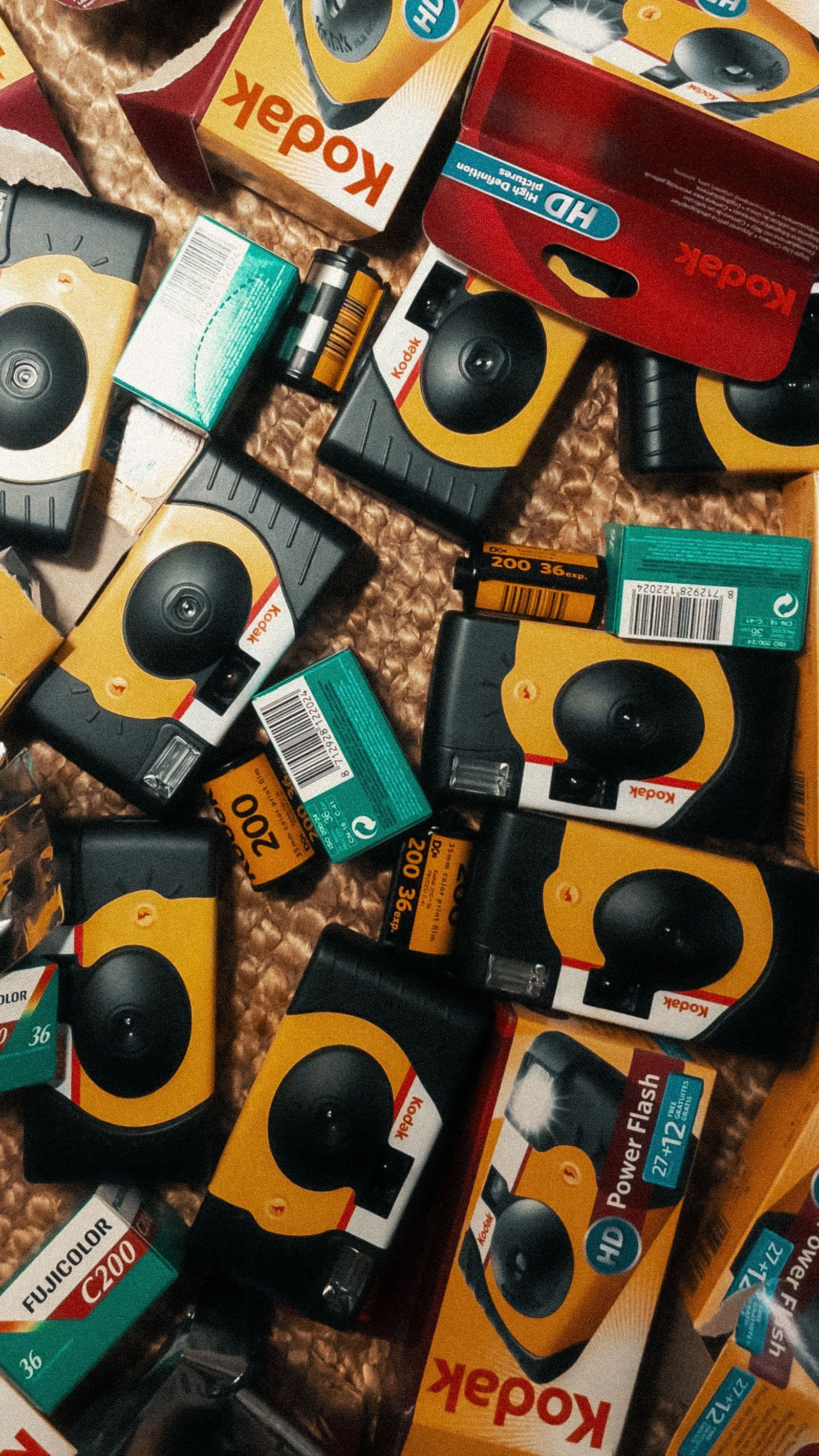
The first thing that surprises couples is how quickly the upfront cost climbs. A single disposable camera runs roughly $12 to $20 each, and prices vary a lot depending on the brand, the exposure count, and whether you buy a novelty wedding-branded version. One camera feels trivial. But you are not buying one. If you want a camera on every table, a wedding with a dozen tables needs a dozen cameras, and now you are looking at a real sum before a single photo has been taken. Add a few spares for the bar and the photo booth corner, and the pile grows again. The box price is deceptive precisely because it is per camera, and weddings need cameras by the dozen. That is only the beginning, though, because the sticker price is the one cost you can actually see coming.
The Hidden Costs Nobody Mentions
Here is where the real expense lives. None of these show up on the packaging, and most couples do not think about them until the day the developing invoice lands. Taken one at a time they seem small. Added together they change the entire picture:
- Developing and scanning fees, per camera. Every single camera has to be processed, and developing plus scanning to digital can add roughly $15 to $20 per camera, and prices vary by lab and turnaround. Multiply that across a dozen cameras and the developing bill alone can rival or beat what you spent on the cameras themselves. This is the cost that ambushes people, because it arrives after the wedding when the budget is supposedly closed.
- A low hit rate, so you pay to develop photos you cannot use. A single-use camera has a plastic lens, one fixed focus distance, and a weak built-in flash. Indoor and evening shots, which is most of a wedding, come back dark, blurry, or blank more often than not. A large share of every roll is simply unusable, and here is the sting: you pay to develop those failures right alongside the keepers. You are buying prints of the ceiling, of someone's thumb, and of a black rectangle where the flash did not reach.
- The wait of days or weeks. You will not see a single frame at the wedding, or the day after, or often the week after. The cameras have to be collected, dropped off, and processed, and by the time the scans come back the glow of the day has faded. If a shot did not work, you find out far too late to do anything about it.
- Cameras that go missing or unused. Some cameras get buried under napkins, some slip into a guest's bag and go home, and some are never picked up at all. It is completely normal to develop noticeably fewer usable shots than you paid for, because a chunk of your cameras either walked off or sat untouched all night.
- No way to see or reshoot a moment. With film there is no screen and no second chance. A thumb over the lens, a closed flash, a subject who blinked, and nobody knows until it is far too late. The moment is gone, and you paid to develop the proof that it did not come out.
- The environmental waste of single-use plastic and film. Every disposable camera is, by design, made to be thrown away. Multiply the plastic bodies, the film canisters, and the packaging across every table at every wedding, and the single-use footprint is real. For couples trying to keep the day a little greener, a stack of cameras built to be binned sits awkwardly against that goal.
Do the Math
It helps to lay the two routes side by side. The figures below are approximate and prices vary, but the shape of the comparison holds up no matter which lab or which app you choose:
| Cost item | Disposable cameras | A digital QR photo app |
|---|---|---|
| Upfront cost | Roughly $12 to $20 per camera, times every table | One low flat cost, free to start |
| Developing / scanning | Roughly $15 to $20 per camera | None |
| Usable-photo rate | A fraction of each roll | Nearly every shot |
| Time to see photos | Days or weeks | Instantly |
| Number of photos | Around 27 per camera, then done | Unlimited |
| Environmental impact | Single-use plastic and film | Nothing to throw away |
What You Actually Get for the Money
Once you total the camera cost and the developing bill and then subtract the frames that did not come out, the real price per usable photo is startlingly high. What you get for all of it is a handful of grainy keepers per camera, arriving weeks later, some of them genuinely lovely and many of them not. That is the honest return on the disposable-camera route. Compare that to what the same money, or often less, buys digitally: hundreds of full-resolution photos from your guests, landing in one shared gallery, viewable the same night, with nothing to develop and nothing to throw away. A good app is free to start, so you can set it up and see how it feels before you spend anything at all. If keeping the budget tight is the whole reason disposable cameras appealed to you in the first place, it is worth reading the cheapest ways to collect wedding guest photos, because the cheapest-looking option is rarely the cheapest one once the developing invoice arrives.
The Best of Both Worlds
None of this means you have to give up the cameras entirely, and honestly, you should not if you love them. The charm is worth something, and there is nothing quite like the surprise envelope. The smart move is simply to demote them from your main plan to a fun extra. Keep a few disposables on the tables for the novelty and the tactile joy of it, and treat whatever comes back as a delightful bonus rather than your safety net. Then make a digital QR gallery your reliable primary, the thing that actually guarantees the day is documented in full quality with no developing bill and no waiting. If you want to weigh the two approaches feature by feature, our companion piece on disposable cameras vs wedding photo apps breaks down where each one wins, and if you are ready to set up the digital side, the best way to share wedding photos with guests walks through doing it well.
So keep the nostalgia. Scatter a few cardboard cameras for the fun of it and enjoy the surprise when the prints come back. Just do not bet your wedding memories on a plastic lens and a developing lottery. When you know the full cost, hidden fees and wasted frames included, the honest answer for most couples is to let the disposables be the party trick and let a digital gallery quietly do the real work of catching every candid your guests take.
Frequently asked questions
How much do disposable cameras really cost for a wedding?
More than the box price suggests. The cameras themselves run roughly $12 to $20 each, and prices vary, so a camera on every table is already a real sum. Then developing and scanning each one can add roughly $15 to $20 per camera, and you pay that on top, including for the frames that do not come out. Across a dozen tables the total often surprises couples.
Are disposable cameras worth it at weddings?
They are worth it as a fun, nostalgic extra rather than your main way of documenting the day. Guests enjoy them and the surprise of the developed film is genuinely lovely. Just go in knowing the quality is inconsistent, a chunk of every roll is wasted, and the real cost per usable photo is high once developing is included.
How much does it cost to develop disposable cameras?
Developing plus scanning a disposable camera to digital can add roughly $15 to $20 per camera, and prices vary by lab and how fast you want it back. Because you develop every camera regardless of how many shots came out, you end up paying to process the blurry and blank frames right alongside the good ones.
Do disposable camera photos come out well?
Sometimes they come out beautifully, with a warm, grainy film look people love. But results are inconsistent because of the fixed focus, plastic lens, and small flash. Indoor and evening shots, which make up most of a wedding, are the hardest for a disposable camera to capture cleanly, so expect a fair share of dark or blurry frames.
What is a cheaper alternative to disposable cameras?
A digital QR photo app is usually cheaper once you count developing. Guests scan a code, a web page opens with no app to install, and they upload full-resolution photos to one shared gallery. There is nothing to develop, results appear instantly, and services like SeeEveryMoment are free to start, so you can try it before spending anything.
Skip the developing bill
Collect unlimited full-resolution guest photos digitally, to one gallery, with no film to develop. Scan, upload, done. Free to start.