July 13, 20268 min read
Unplugged Wedding vs Guest Photo Sharing: Can You Do Both?
Unplugged wedding vs guest photo sharing: how to keep the ceremony phones-away for presence, then still collect your guests' candid photos afterwards.
More and more couples want two things that sound like they cannot coexist. First, they want an unplugged ceremony, a moment where nobody is holding up a phone, where their friends and family are simply present with them while they say their vows. And second, they want the photos. Not just the ones from the photographer, but the candid, imperfect, joyful shots that guests capture from the seats, the ones that show the day from the inside. Put those two wishes next to each other and they feel like opposites: you either ask people to put their phones away, or you ask them to take pictures. Pick one.
Except they are not actually opposites. The tension only exists if you treat the whole wedding as a single setting where phones are either banned or welcome all day. Once you break the day into its natural moments, the conflict quietly dissolves. You can protect the ceremony and still gather a gallery full of guest photos from everything that follows. Here is how to think about it, why both sides of the argument are genuinely right, and how to word it all so nobody feels scolded.
What an Unplugged Wedding Actually Means
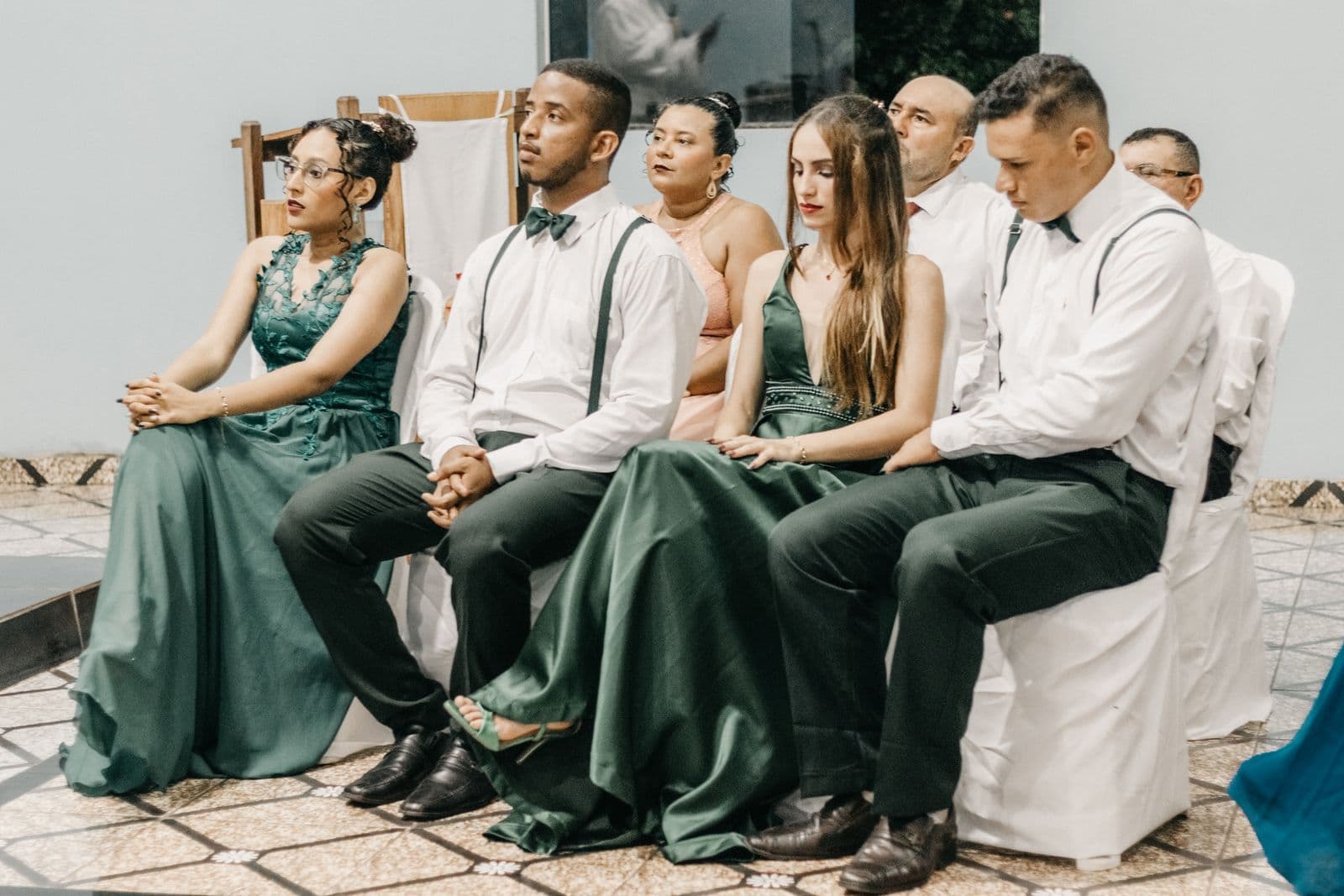
An unplugged wedding is not usually as absolute as it sounds. In almost every case, the phrase refers to the ceremony: the roughly twenty to thirty minutes when you walk down the aisle, exchange vows, and are pronounced married. During that window, couples ask guests to switch phones off or tuck them away, so that everyone is watching the real thing rather than a small glowing rectangle. It is a request about attention, not a rule about the entire day.
There are two honest reasons behind it. The first is presence: you want to look out and see faces, not the backs of phone cases. The second is practical. Your professional photographer has one chance to capture the first kiss, and a guest leaning into the aisle with an outstretched arm can ruin that frame in an instant. An unplugged ceremony protects both the emotional moment and the pictures you are paying a professional to get. What it does not have to mean is that phones stay away through cocktail hour, dinner, and dancing. That distinction is the whole key to having both.
The Case for Going Unplugged
The argument for an unplugged ceremony is real, and it is worth stating fairly before we talk about photos. When couples describe the moment they were most glad they went unplugged, it is almost always the ceremony they mean.
- Guests are actually present. Instead of experiencing your vows through a screen, the people who love you watch with their own eyes. That attention is felt from the front, and it changes the atmosphere of the room in a way that is hard to describe until you have stood in it.
- Nobody blocks the photographer. The single biggest cause of ruined ceremony photos is a guest stepping into the aisle to grab a shot. An unplugged ceremony keeps the aisle clear so your professional gets the frames you hired them for.
- No screens in the pictures. Look at ceremony photos from a plugged-in wedding and you will count a dozen phones held aloft. Unplugged, the images show faces and tears and smiles, not a sea of devices.
- A more intimate feel. Without the low hum of people angling for content, the ceremony breathes. It feels quieter, closer, and more like the private moment it is meant to be, even in a room full of people.
The Case for Guest Photo Sharing
Now the other side, which is just as real. Your photographer is brilliant, but they are one person standing in one place. There is an entire layer of your wedding they will never see, and your guests are the only ones positioned to catch it. This is the whole point of wedding guest photo sharing, and dismissing it means losing memories you cannot get back.
- Guests catch what the pro misses. The uncle wiping his eyes during the speeches, the flower girl asleep under a table, the belly laugh at your table while the photographer was across the room. These candids are the texture of the day.
- More angles, more moments. A hundred guests with phones cover the room from a hundred viewpoints at once. You get the reactions, the background, the small human moments happening at every table simultaneously.
- The fun of participating. Guests love feeling like part of the storytelling. Inviting their photos turns them from spectators into contributors, and that shared involvement is part of the joy of the reception.
- Memories you would otherwise lose. Every photo a guest takes and never sends you is a memory that quietly evaporates the day after the wedding. Collecting them is the difference between a full record of your day and a partial one.
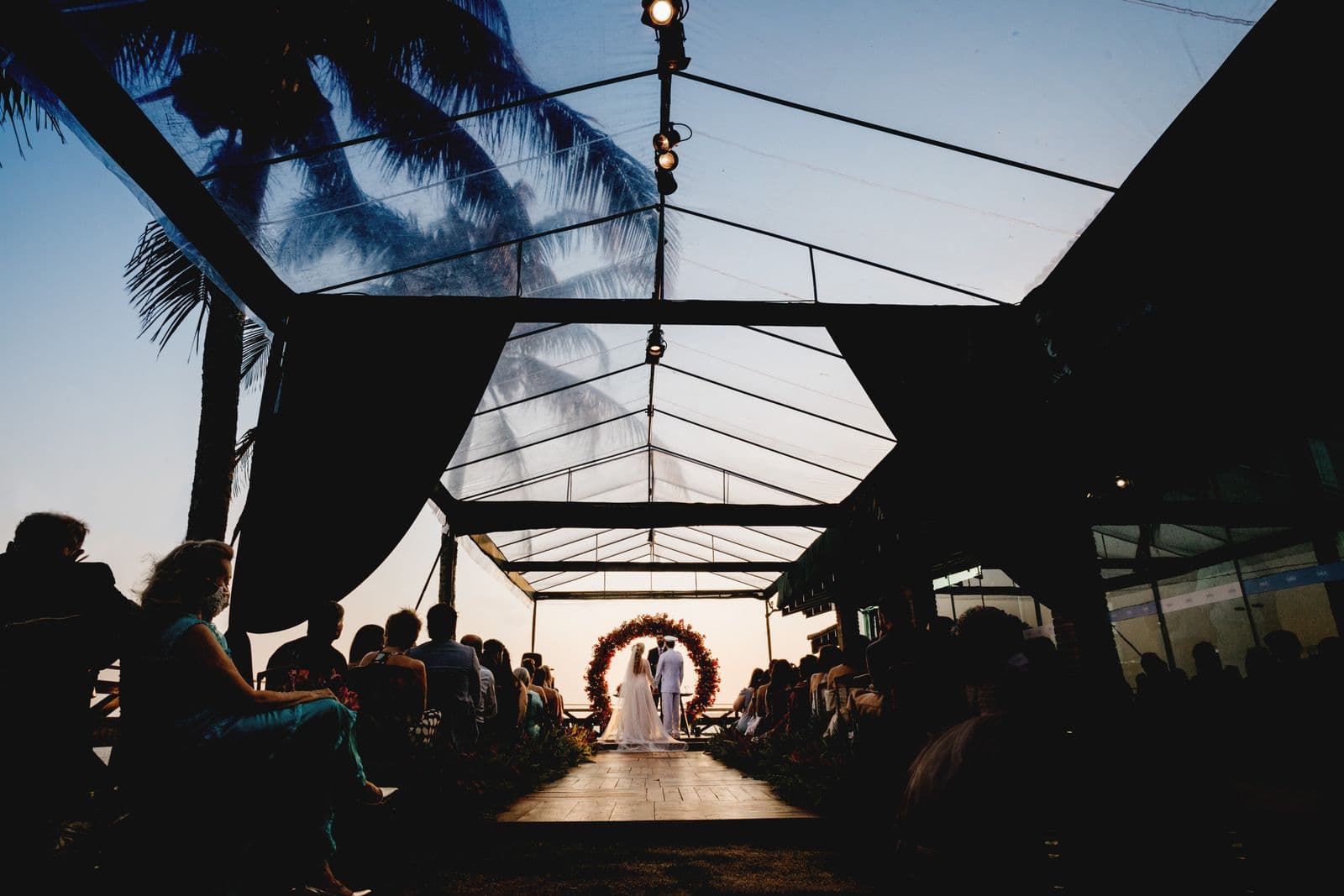
Yes, You Can Do Both (Here Is How)
Here is the resolution, and it is simpler than the debate makes it sound. You do not choose between presence and photos. You sequence them. Protect the ceremony, then open the floodgates for everything after. In practice that comes down to three moves.
- Keep the ceremony unplugged, gently. Put a small sign at the entrance and ask your celebrant or officiant to say one warm line before things begin, inviting everyone to be fully present for the next few minutes. That is all it takes. Guests almost always welcome the permission to just watch.
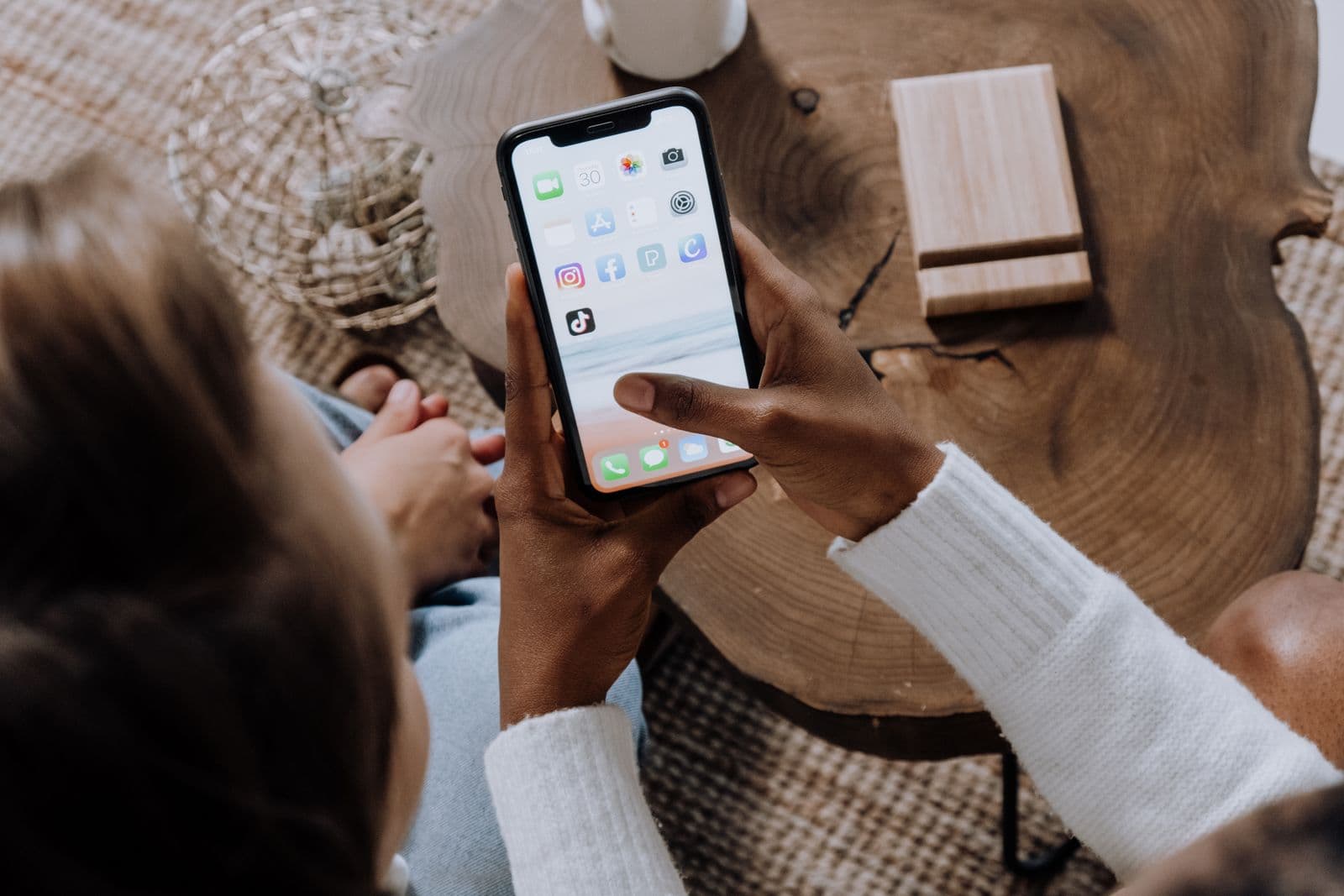
- Actively invite photos from cocktail hour onward. The moment the ceremony ends, flip the message. Put out a card or sign with a QR code that guests scan to upload their photos, and let them know their pictures are wanted. There is a whole art to this in how to ask wedding guests to share their photos, but the core idea is that people share when they are clearly invited to.
- Use a live slideshow to channel the energy. Put a screen at the reception showing guest uploads as they arrive. It rewards the people who share, gently nudges everyone else to join in, and turns photo sharing into part of the party rather than a chore. The energy that was held back during the ceremony now has somewhere to go.
The tools that make this painless are worth naming. A good guest photo service runs entirely in the phone's browser, so there is no app to install and no account to create. A guest scans the code, taps the link, and uploads full-resolution originals from their camera roll in seconds. Everything lands in one gallery that belongs to you and never expires. It is free to start, which means the collecting layer costs you nothing to set up while the presence layer costs you nothing but a sign and a sentence.
How to Word It Kindly
Tone matters more than wording. The goal is to sound like a couple who wants their friends present, not a couple laying down rules. A little warmth goes a long way, and the same guest will happily put a phone away and then happily take a hundred photos an hour later if both asks feel generous rather than strict.
For the ceremony, something like: "Welcome. We love that you are here. Please be fully present with us and keep phones tucked away during the ceremony. Our photographer has the big moments covered." It is soft, it explains why, and it reassures people that the memories are being handled.
For the reception, flip it warmly: "Cameras out, please. Scan the code to share your photos with us. We want to see the day through your eyes." That second line does real work, because guests who dutifully put phones away often need clear permission to pick them back up.
Unplugged Ceremony, Connected Reception: A Quick Comparison
It helps to map the whole day onto the moments where phones do and do not belong. Once you see it laid out, the supposed conflict between an unplugged wedding and guest photo sharing looks like what it really is: a question of timing, not principle. If you are weighing how guests should share once the phones come back out, wedding hashtag vs QR code breaks down the two common methods.
| Moment | Phones? | Why |
|---|---|---|
| Ceremony | Away | Presence for the vows and clear frames for your photographer |
| Cocktail hour | Welcome | The formal moment is over; candids and mingling are fair game |
| Reception and dancing | Encouraged | This is where guest photos shine; a QR code and live slideshow keep it flowing |
The Bottom Line
An unplugged wedding and guest photo sharing are not rivals fighting over the same twenty minutes. They are two good ideas that belong to different parts of the day. The instinct to protect your ceremony is right. The instinct to want your guests' photos is also right. The mistake is assuming you have to trade one for the other, when in fact the best weddings do both without breaking a sweat.
So keep the ceremony phones-away for presence, and then actively invite photos once the celebration opens up. Sequence the two, word both asks kindly, and give your guests an easy way to share. You end up with the thing that seemed impossible at the start: a ceremony everyone watched with their own eyes, and a gallery full of the candid moments they captured for you the moment the party began. That is not a compromise. That is having it all.
Frequently asked questions
What is an unplugged wedding?
An unplugged wedding is one where guests are asked to put their phones and cameras away, usually just for the ceremony. The goal is for everyone to be present for the vows and to keep the aisle clear so the professional photographer gets clean shots. It rarely means phones stay away for the entire day.
Can you have an unplugged ceremony but still collect guest photos?
Yes, and it is the best of both worlds. Keep the ceremony phones-away for presence, then actively invite photos from cocktail hour onward. A QR code that opens a browser upload lets guests share full-resolution photos into one gallery you own, so you protect the vows and still gather all the candids from the rest of the day.
How do I ask guests to put phones away?
Keep it warm and brief. A small sign at the entrance plus one friendly line from your celebrant before the ceremony is enough, something like asking everyone to be fully present and reassuring them that the photographer has the big moments covered. Guests almost always welcome the permission to simply watch.
Should the whole wedding be unplugged?
Usually not. Most couples only go unplugged for the ceremony, where presence and clear photos matter most. Extending it across the reception means losing the candid guest photos that capture the day from the inside. A phones-away ceremony followed by a photo-friendly reception gives you both presence and pictures.
How do I get guest photos if the ceremony is unplugged?
Invite them everywhere except the ceremony. The moment the vows are over, flip the message and encourage guests to take and share photos. Put out a QR code they can scan to upload from their phones, no app or account required, and add a live slideshow at the reception to keep the energy and the uploads flowing.
Presence during, photos after
Keep the ceremony unplugged, then invite guest photos at the reception with a QR code, no app. Free to start.