June 30, 20269 min read
How to Get Candid Wedding Photos Without a Second Photographer
Want candid wedding photos without a second photographer? See what a second shooter really adds, an honest cost comparison, and how guests cover the gap.
A second photographer is a real line on the wedding budget, often several hundred pounds or more, and it is worth being honest about what that money actually buys. For most couples it is not a second set of formal portraits. It is candid coverage: extra angles, the reactions the lead photographer has their back turned to, and the small unposed moments that happen everywhere at once. That is the gap a second shooter fills, and it is a gap worth filling.
Here is the thing. Your guests are already holding dozens of cameras, and they are standing exactly where a single photographer cannot be. This guide shows you how to turn that into genuine candid coverage that looks good rather than a pile of random snapshots, what it costs compared with hiring a second pro, and, just as importantly, where guests do not replace a professional and you should not pretend otherwise.
What a Second Photographer Actually Gives You
Before you decide whether to skip a second shooter, it helps to know precisely what they do, because it is more specific than people assume. A good second photographer is not just an extra pair of hands taking the same shots from the same spot. They are deliberately positioned to capture what the lead cannot.
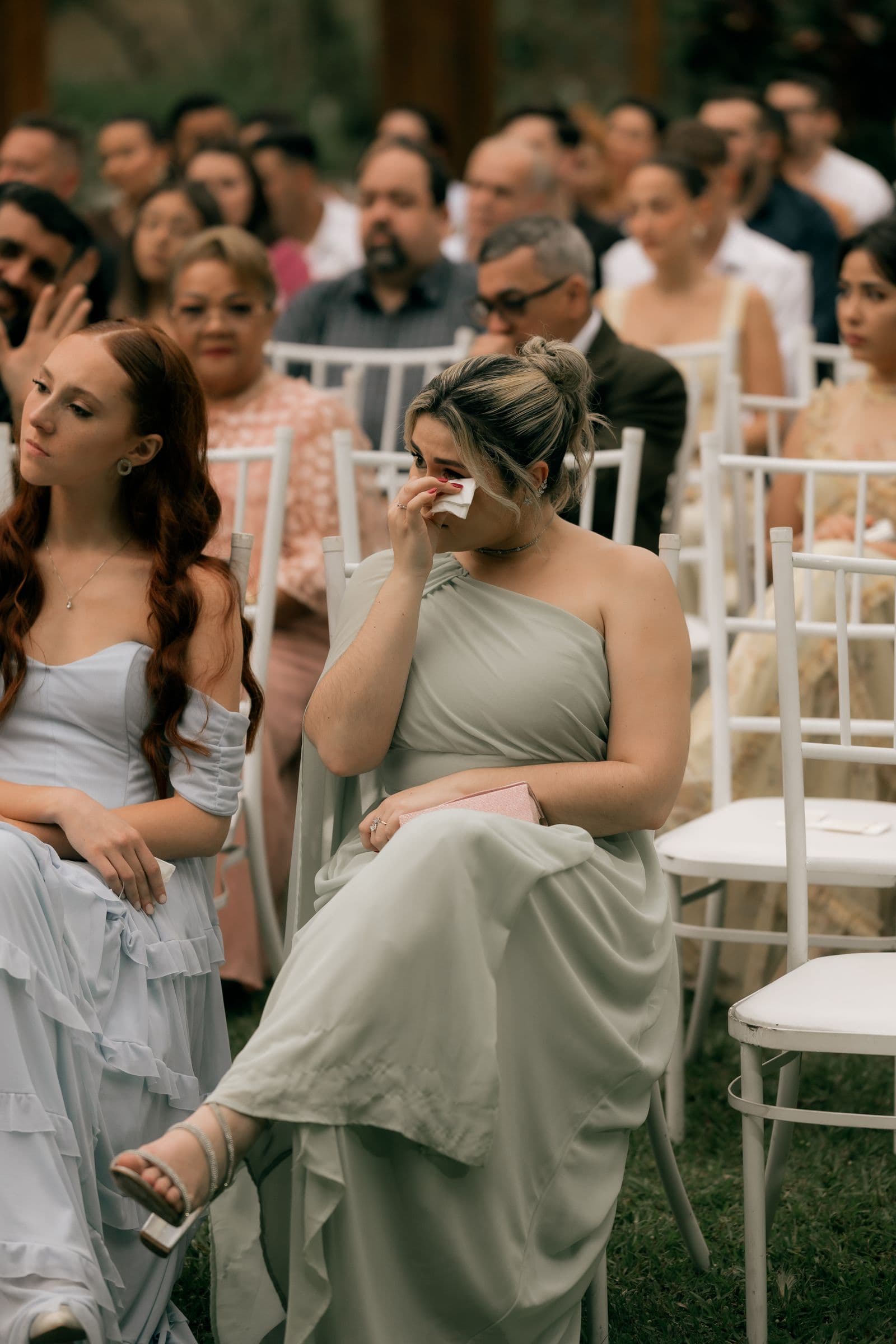
In practice that means a few concrete things. Extra angles during big moments, so the first kiss or the ring exchange is caught from the side as well as head on. Reaction shots during the ceremony, pointing the lens at the crowd and the parents while the lead stays on the couple. Candids while the lead shoots formals, so the group portraits get done without losing the loose, fun moments happening just out of frame. And getting-ready coverage of the other partner, since one photographer can only be in one room. Notice the pattern: almost all of it is candid, reactive, multi-angle work. That is the part your guests are genuinely well placed to cover.
Why Your Guests Are 80 Cameras Already
Think about where everyone is during your wedding. The photographer is one person moving through the day on a planned path. Your guests are scattered across every table, every corner of the dance floor, and every quiet moment in between. They are sitting where the speeches land, standing where the confetti falls, and lingering long after the pro has packed up. Each one is carrying a phone with a camera that, frankly, is better than most cameras were a decade ago.
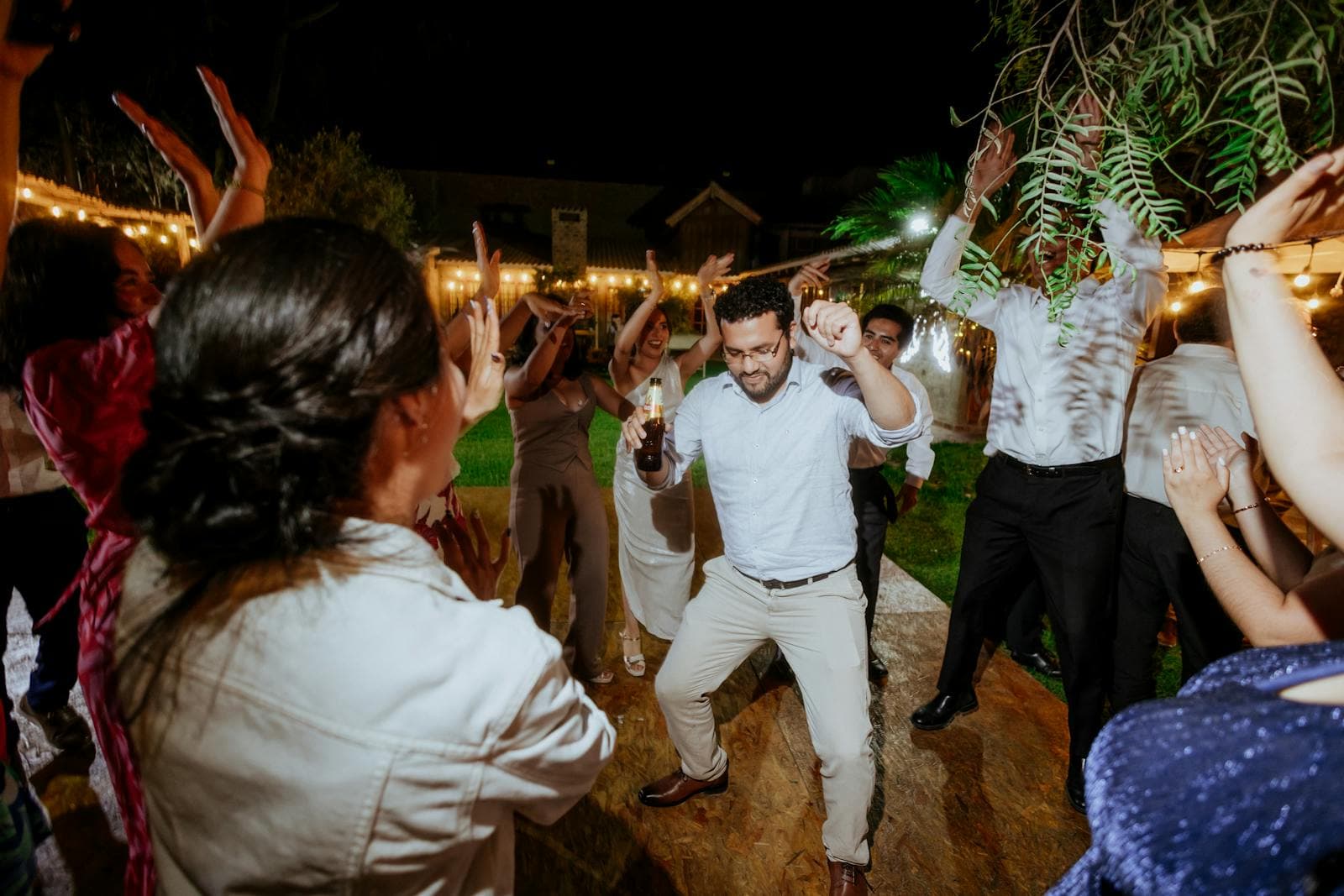
More than that, guests have access a professional never will. They get the in-joke at the table, the quiet aside between old friends, the cousin pulling a face mid toast, and the genuinely chaotic late-night dance floor that only really starts once the official coverage ends. A hired photographer is a slight outsider by definition, and people behave a little differently when a stranger with a big lens points it at them. Around their own friends, guests are relaxed and so is everyone in frame. The trick is simply collecting what they capture before it scatters across eighty separate camera rolls and is lost forever, which is exactly the problem we cover in how to collect every photo your wedding guests take.
The Cost Comparison
Money is usually what drives this decision, so here is an honest side by side. The figures below are typical ranges, not quotes, and they vary a lot by region and by how established the photographer is.
| Option | Typical cost | What you get |
|---|---|---|
| Hire a second photographer | 500 to 1,500 (typical range) | A trained pro capturing extra angles, reactions, and candids in parallel with the lead. The most complete coverage, at the highest cost. |
| Guest photo sharing | A low flat fee, often free to start | Dozens of phones covering angles and moments the pro cannot reach, all landing in one gallery. Covers most of the candid gap for a fraction of the cost. |
| Do nothing | Free | You keep only what your single photographer caught. The guest candids exist briefly on phones and then quietly disappear. The cheapest option, and the one most couples regret. |
The honest reading of that table is not "never hire a second photographer." It is that a second shooter and guest coverage are not the same purchase, and they solve overlapping but different problems. A second pro brings training and accountability to the candid work. Guests bring sheer numbers and insider access. If your budget is tight, guest photo sharing closes most of the candid gap for very little, and doing nothing leaves real memories on the table for no good reason at all.
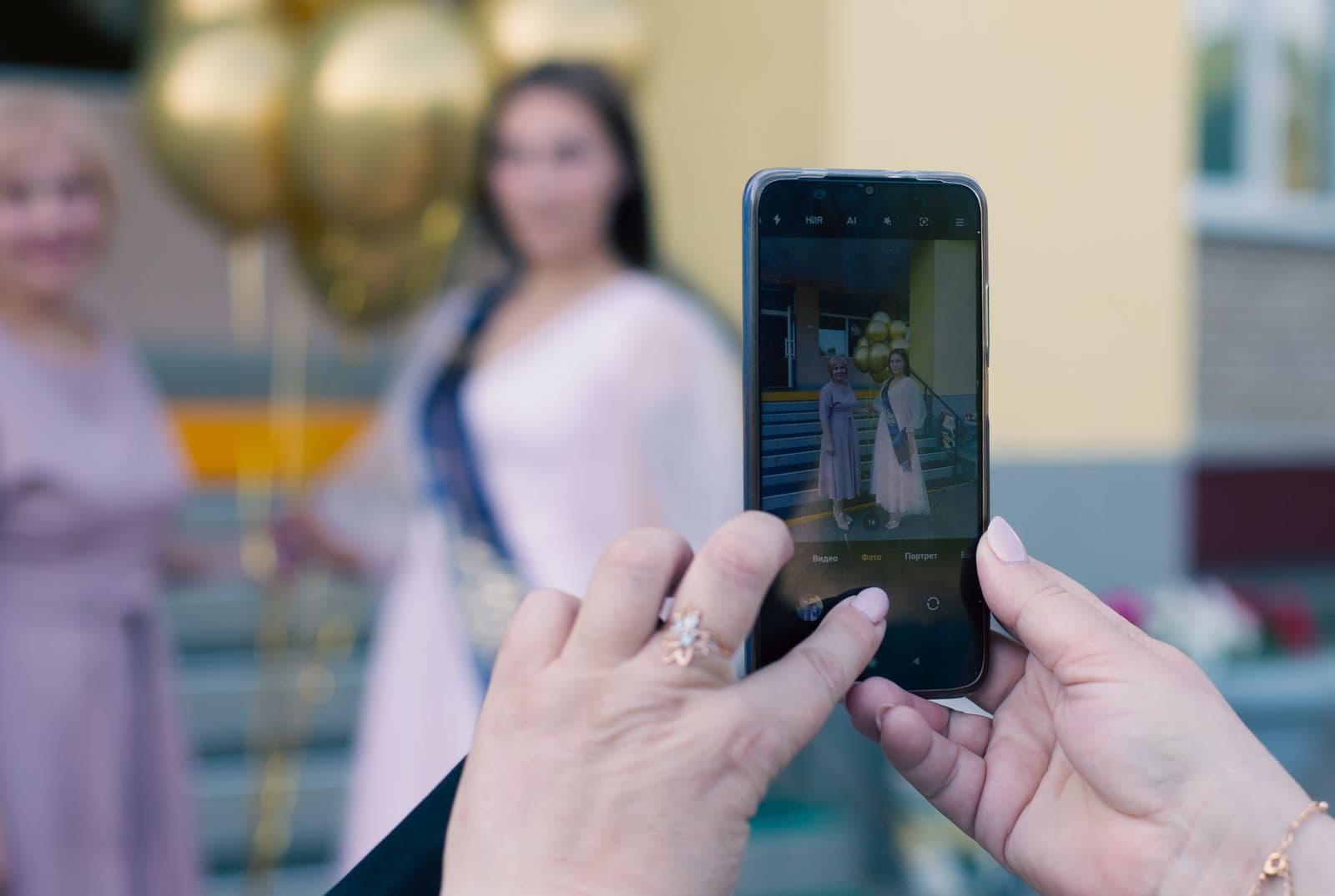
How to Get Candids That Don't Look Like Random Snapshots
Left to chance, guest photos are a mixed bag: a few gems buried under blurry table shots and accidental selfies. The difference between a random pile and genuine second-shooter coverage is a little gentle direction, given early and kept light. You are not trying to turn guests into professionals. You are just steering willing people toward the moments that matter and making it trivially easy for them to send what they get. None of this is heavy handed, and all of it takes minutes to set up.
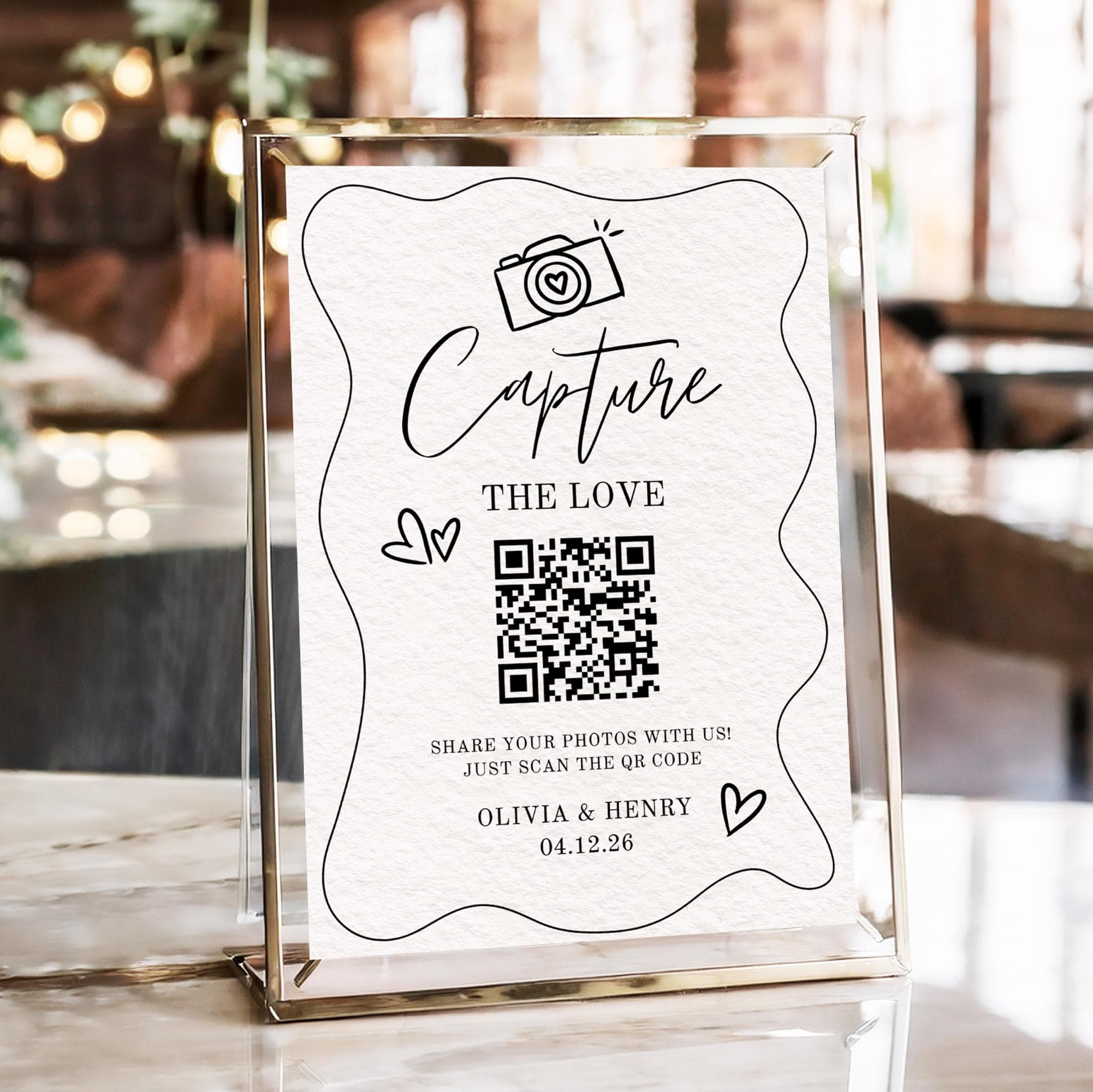
- Make uploading effortless with a QR code. The single biggest filter on how many photos you get is friction. A printed code that opens a browser upload page in one tap means guests share in the moment, not "later" (which never comes). The complete QR code wedding photos guide walks through setting one up properly.
- Ask guests to capture specific moments. A vague "please share your photos" gets you fewer and worse shots than a specific nudge. Put a line on the sign or in the order of the day asking people to grab the speeches from their table, the dance floor, and the people around them.
- Run a live slideshow so people shoot more and better. When guests see their photos appear on a screen at the reception, two things happen: they upload far more, and they start composing shots worth showing. A live slideshow turns passive snappers into willing contributors.
- Place signs where the candid moments happen. One sign by the entrance is not enough. Put the upload prompt on the tables, by the bar, and near the dance floor, so the reminder is in front of guests exactly when something worth capturing is unfolding.
- Gently nudge a few reliable friends to "cover" key moments. Quietly ask two or three people who are always behind a camera to keep an eye on specific things: the ceremony reactions, the getting-ready, the after-party. This is the closest thing to assigning a second shooter, and it costs you a text message.
The mechanics of gathering all of this into one place, rather than chasing it down afterwards, are covered in detail in our guide to wedding guest photo sharing. The principle is the same throughout: remove every step between a guest taking a photo and that photo reaching you.
What Guests Catch That a Pro Cannot
Some of the best photos from any wedding could only ever come from a guest, because they require being on the inside. These are the frames you will look at most in ten years:
- The speech from the family's point of view, looking back at the top table instead of toward it, catching the faces of the people being toasted.
- Kids under the table, the flower girl asleep in a chair, the small unscripted things happening at child height that no adult is watching.
- The group chat reactions, the screenshots and running commentary friends are firing off in real time, which are a whole layer of the day on their own.
- The after-party, the late-night dance floor, the kitchen at 1am, all of it long after the professional coverage has clocked off for the night.
Where Guests Cannot Replace a Professional (Be Realistic)
It would be dishonest to suggest guests do everything a photographer does. They do not, and treating your guests as a full replacement for a lead photographer is how couples end up with no usable portraits and no reliable record of the moments that mattered most. Guests fill the candid gap. They do not replace the craft.
- Posed portraits. Flattering, composed shots of the couple and the family groups need someone who knows how to pose people and direct a scene.
- Lighting in tricky conditions. A dim church, harsh midday sun, or a dark reception room are where a pro and proper gear pull ahead of any phone.
- The guaranteed key shots. A professional is accountable for delivering the first kiss, the rings, the first dance. A guest might miss them; a pro will not.
- Consistent editing. A photographer hands back a cohesive, colour-corrected gallery, not a jumble of styles, exposures, and filters.
So the sensible plan is not either/or. Keep your lead photographer for the portraits, the lighting, and the guaranteed shots. Use your guests to cover the candid, multi-angle, insider gap that a second shooter would otherwise fill, at a fraction of the cost. That combination gets you the most complete record of the day for the least money.
Booking a second photographer is never wasted if you can afford it. But if the budget says no, you are far from out of options. Your guests are already in the room, already holding their cameras, and already standing exactly where the candid moments happen. Give them one effortless way to share, point them at the moments that matter, run a slideshow that keeps them shooting, and you will end up with the kind of candid, multi-angle coverage that used to require a second pro, gathered in one gallery you keep for good. It costs almost nothing and it is one of the few wedding decisions you are unlikely to look back on with regret.
Frequently asked questions
Can wedding guests replace a second photographer?
For the candid side of the job, largely yes. A second photographer mostly captures extra angles, reactions, and unposed moments, and your guests are already positioned everywhere those happen. What guests cannot replace is posed portraits, tricky lighting, and the guaranteed key shots, so the best approach is to keep your lead photographer and let guests fill the candid gap.
How much does a second wedding photographer cost?
It varies a lot by region and experience, but a second shooter typically adds somewhere in the range of 500 to 1,500 on top of your lead photographer's fee. That money mostly buys parallel candid coverage and extra angles. Guest photo sharing covers much of that same gap for a small flat fee, which is why budget-conscious couples often choose it instead.
How do I get good candid photos from my guests?
Make sharing effortless with a QR code that opens a browser upload page, then give light direction. Ask guests to capture specific moments like the speeches and the dance floor, run a live slideshow so people shoot more and better, and place reminder signs where the candid moments actually happen rather than only at the entrance.
How do I collect all the guest photos in one place?
Use a single shared gallery that every guest uploads to from one QR code. With SeeEveryMoment, guests upload full-resolution originals straight from their phone browser with no app, everything lands in one place, and you can download them all with one click. Our guide on how to collect every photo your wedding guests take covers the full setup.
Do guests need an app to share their candid photos?
No. With SeeEveryMoment, guests upload through their phone's web browser, so there is nothing to download or sign up for. They scan one code, pick their photos, and upload full-resolution originals in seconds. Removing the app step is the single biggest reason more guests actually share rather than meaning to and forgetting.
Turn your guests into a second photographer
One QR code lets every guest upload their candid shots to your gallery. Dozens of angles your photographer cannot be in at once.